

In this review, we will take a detailed look at the blockchain game Starship, which has made a significant breakthrough in the world of crypto games and NFTs. We will explore the gameplay mechanics, the role of blockchain, earning opportunities for players, as well as the ecosystem and future prospects of the project.
Table of Contents
- Introduction to Starship
- Starship Gameplay Mechanics
- Blockchain Technology in Starship
- The Role of NFTs in the Game
- The Starship Ecosystem
- The Future of the Project
- Conclusion
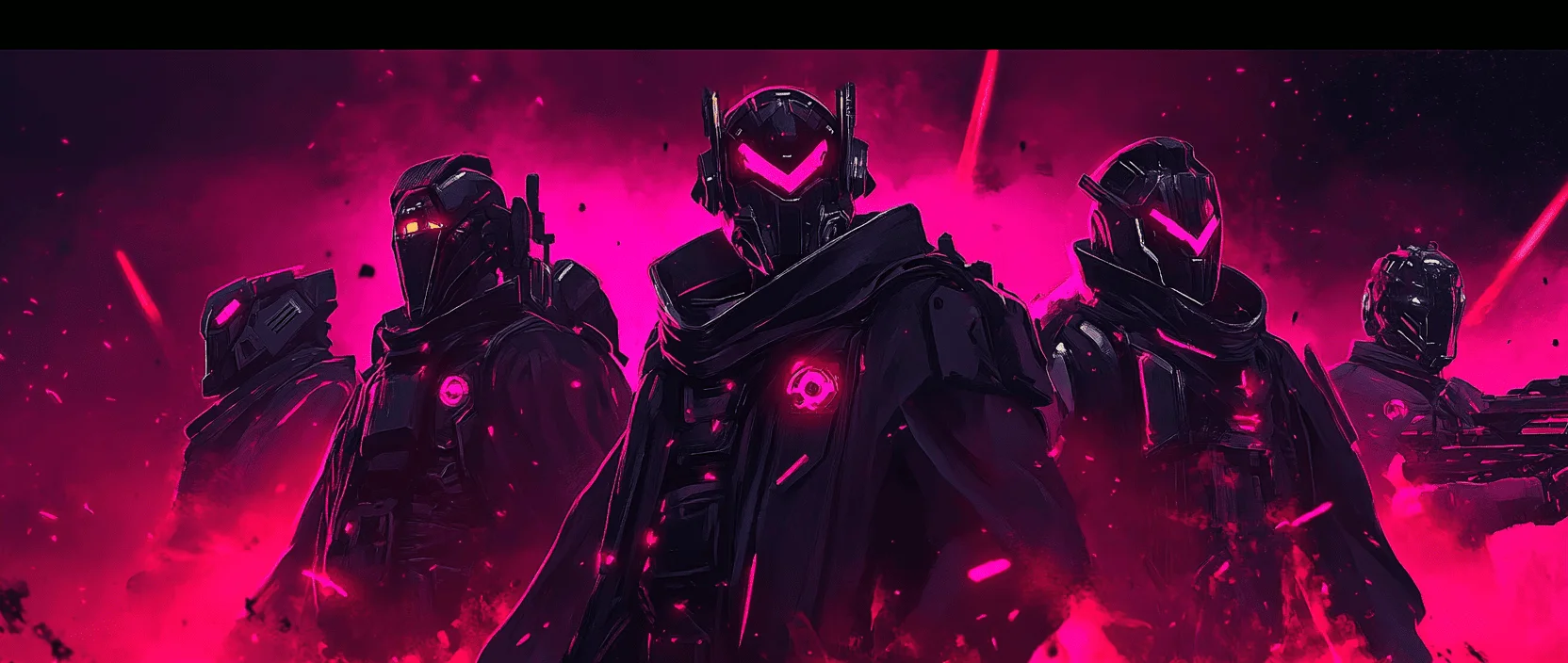
1. Introduction to Starship
Starship is an innovative blockchain game that combines elements of strategy, adventure, and NFT technology. The game opens up a new horizon for space and cryptocurrency enthusiasts, allowing players to not only enjoy an exciting gameplay experience but also earn real cryptocurrency by participating in battles, building fleets, and trading unique assets. The developers of the project aimed to create not just a game, but a full-fledged economic ecosystem where every item, ship, or resource has value and can be used to earn a profit. This makes the game attractive not only for space and strategy fans but also for those seeking investment opportunities in new promising crypto projects.
The project includes a variety of elements such as player-vs-player (PvP) battles, space exploration, and economic interactions through NFTs. In this article, we will thoroughly analyze the key features of the game, its mechanics, and the technological solutions behind it.
2. Starship Gameplay Mechanics
Starship is a multifaceted game where players can manage and develop their space fleets, participate in battles, explore new galaxies, and build their economy. The gameplay mechanics range from strategic elements to role-playing features, providing ample opportunities for player interaction. The strategic component of the game lies in players controlling their ships, engaging in battles, as well as enhancing their fleets, researching new technologies, and mining resources.
The gameplay in Starship is heavily focused on interaction between players, offering opportunities for alliances, trade, and joint missions. The exploration mechanics allow players to not only discover new planets and systems but also mine rare resources that can be used to improve their ships or sold on the market. All in-game assets, including ships, equipment, and resources, are represented as NFTs, providing players with the ability to exchange or sell them on external platforms.
- Strategic Battles: The game features PvP modes where players create and control their fleets, competing for resources and territory.
- Research and Development: Players can develop their fleets, upgrade technologies, discover new types of ships, and expand their space missions.
- Economy and Resources: Resources play a key role in the game, as they are used for upgrades and construction. Players can trade rare resources and items.
- Guilds and Alliances: Guilds and alliances allow players to unite for common goals, create new strategies, and earn rare rewards.
3. Blockchain Technology in Starship
One of the key elements of Starship is its use of blockchain technology. The entire in-game economy is built on the blockchain, allowing players to truly own their in-game assets and trade them. Every unique ship, rare resource, and even individual ship parts are represented as NFTs, which can be bought, sold, or exchanged between players.
The main advantage of this approach lies in the security and transparency of all transactions. Every exchange, purchase, or sale is recorded on the blockchain, ensuring that assets cannot be manipulated or stolen. As a result, players can be confident that their unique items and achievements truly belong to them. Furthermore, all in-game transactions can be converted into real cryptocurrency, which creates unique earning and investment opportunities.
- Smart Contracts: Smart contracts in Starship govern every transaction, ensuring automatic execution of terms without third-party interference.
- Security: Blockchain technology guarantees that all in-game transactions are transparent and secure.
- NFTs and Tokenization: Every in-game asset, whether a ship, resource, or piece of equipment, is represented as an NFT, granting players ownership and the ability to exchange assets for real currency.
4. The Role of NFTs in the Game
NFTs play a central role in Starship, providing uniqueness to every item in the game and offering players the ability to truly own their assets. Space ships, resources, and equipment are all presented as unique tokens that can be transferred, sold, or exchanged. This forms the basis for an ecosystem where in-game objects have real-world value.
The key feature of using NFTs is that they allow the creation of items that cannot be duplicated or altered, making each item valuable and unique. For example, rare ships or resources can be sold to other players, creating an in-game market driven by supply and demand. In the future, rare NFT objects may not only hold value within the game but also be in demand on external platforms.
5. The Starship Ecosystem
The ecosystem of Starship is a complex and multi-layered system that includes many interconnected elements. All aspects of the game, from trading to participating in alliances, influence the overall gameplay and give players the opportunity to use different strategies to earn profits and improve their standings. The in-game economy and player interactions are built on the foundation of NFTs and blockchain technology, creating unique opportunities for long-term development.
| Feature | Description |
|---|---|
| NFT Markets | The game features a marketplace for trading unique items, ships, and resources between players, creating a dynamic economy. |
| Staking | Players can participate in staking, which gives them the opportunity to earn passive income by investing in in-game tokens. |
| Guilds and Communities | Guilds play a crucial role in the ecosystem, helping players achieve greater goals and ensuring collective victories. |
| Trading with External Markets | Players can exchange in-game assets for real cryptocurrencies and tokens, expanding their financial opportunities. |
6. The Future of the Project
Starship continues to evolve, and the developers have announced many new features and improvements that will be introduced in the future. One of the main goals is to expand the game world, add new planets, types of ships, and missions. There are also plans to enhance the battle mechanics and the economy, which will make player interactions more engaging and rewarding.
- New Planets and Galaxies: Players will be able to explore new worlds, discover new types of resources, and meet unique NPCs.
- New Ships and Technologies: New types of ships will be introduced, as well as an expanded tech tree for enhancing fleet capabilities.
- Quest and Mission Systems: More complex, multi-level missions that will reward players with valuable loot and rare NFT items.
7. Conclusion
Starship represents a revolutionary blockchain game that combines elements of strategy, adventure, and economic systems with the use of NFTs and cryptocurrency. By leveraging advanced technologies and mechanics, the project offers players unique opportunities to earn, develop, and own their assets. With future expansions, new features, and improvements, Starship promises to become one of the most successful and popular blockchain games in the future. If you're looking for a way to be part of the growing world of crypto gaming, Starship is definitely a game to watch.











